


Builders talk.
Your agent listens.
Behind this page is every talk AI Engineer published in 2026, more conference than anyone has time for. Ask any AI engineering question, your agent answers from what was spoken and what was shown, down to the second.
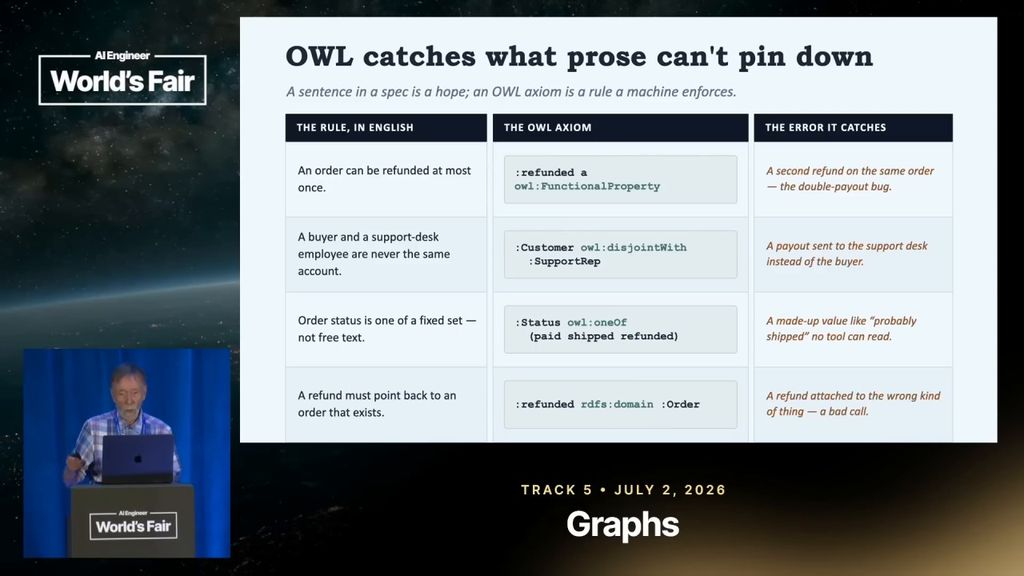
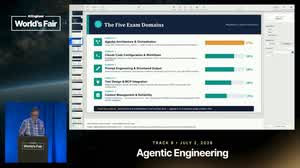
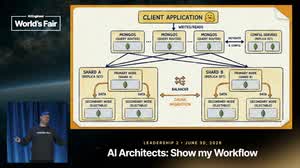
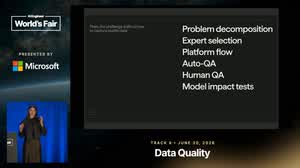
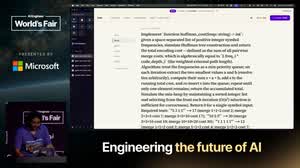
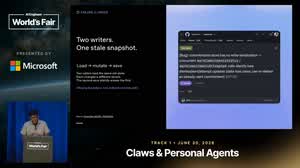
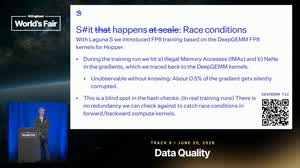
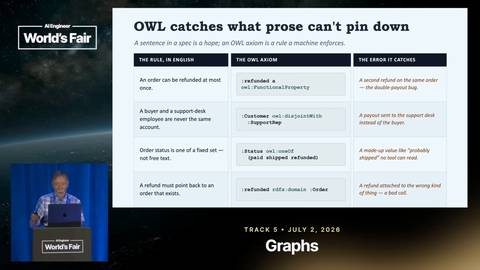
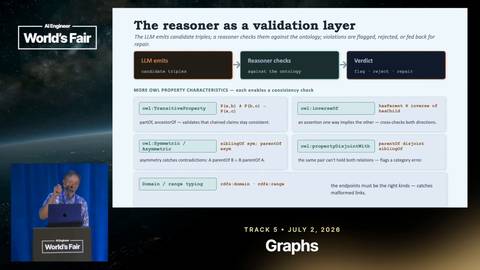
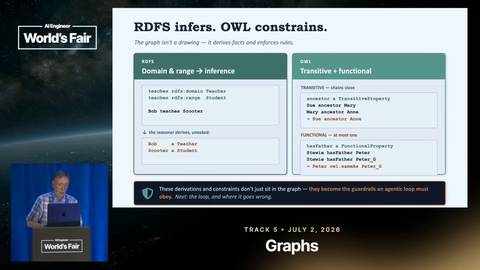
So you have these functional properties, disjoint properties … the errors it can catch, look over in the right-hand column.
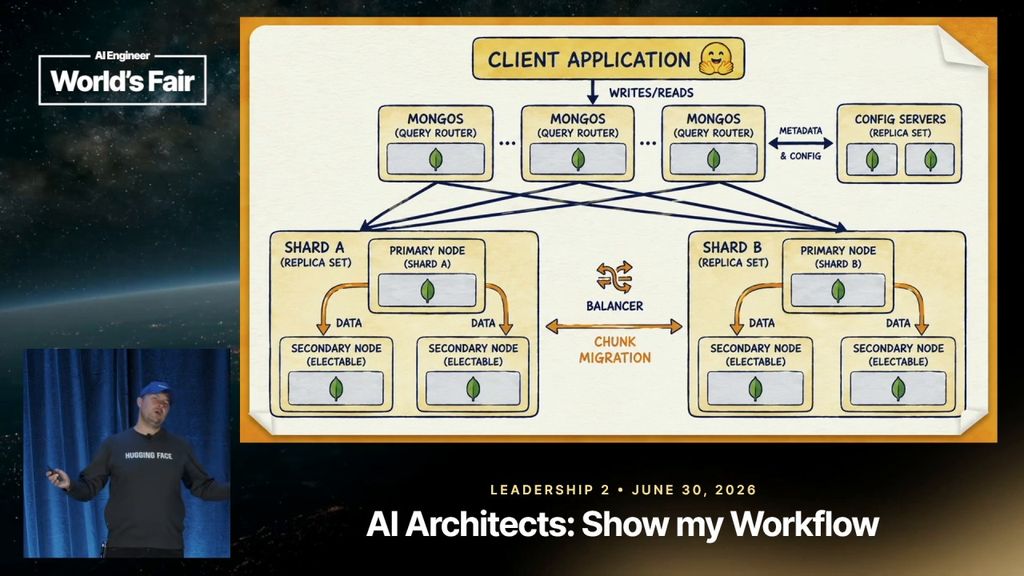
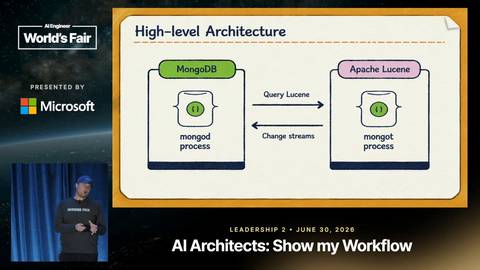
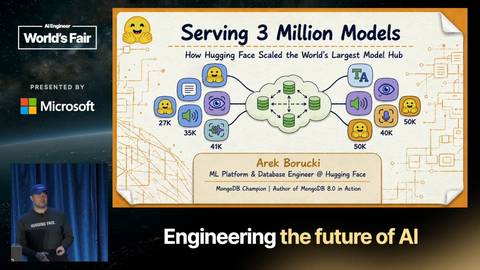
Sharding means scaling your database horizontally.
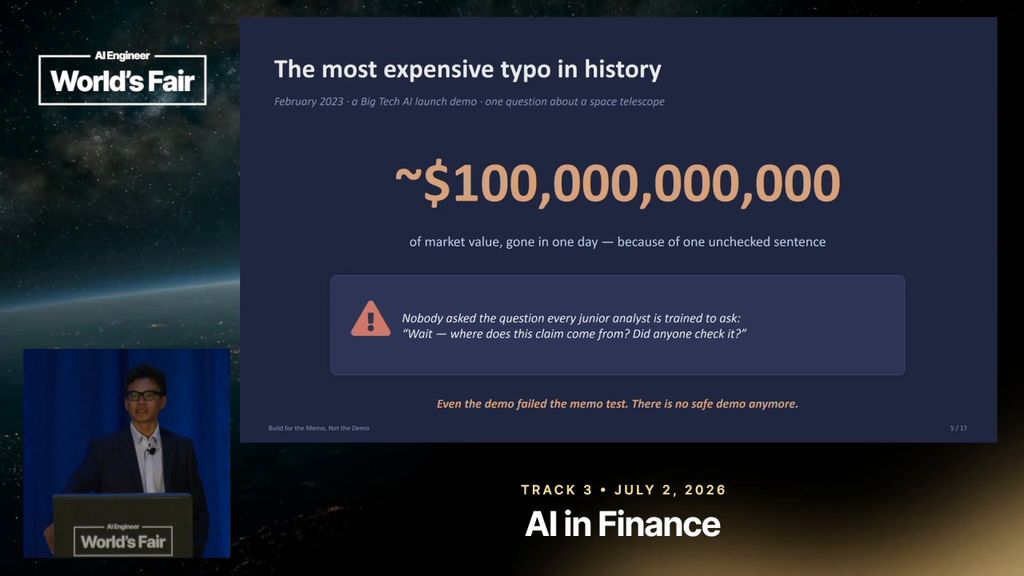
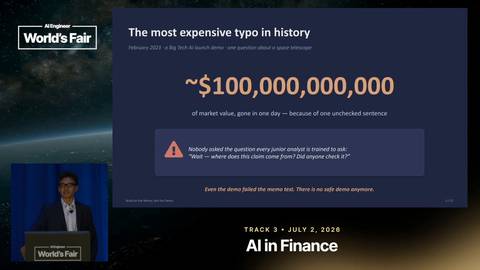
Let me tell you about the most expensive typo in history.
You don't have time to watch it all. Your agent does.
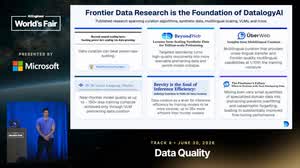
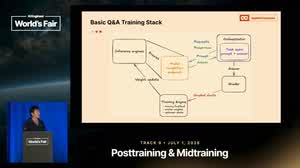
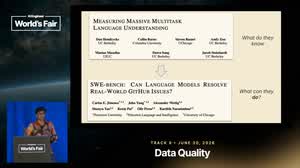
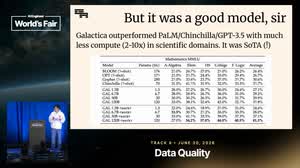
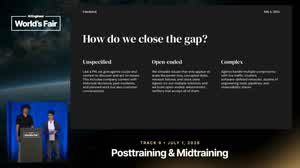
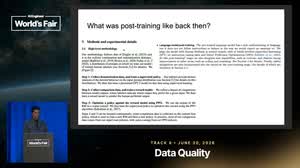
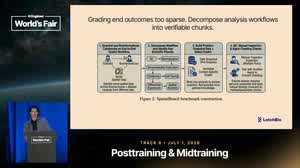
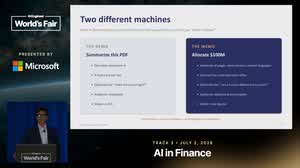
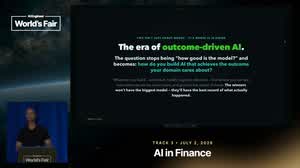
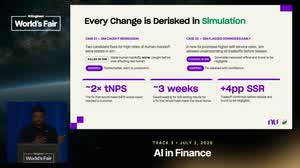
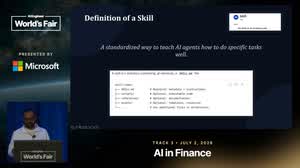
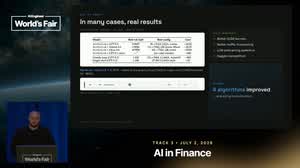
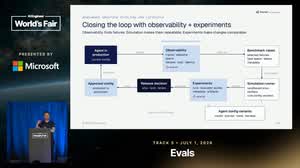
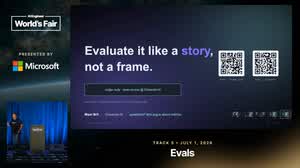
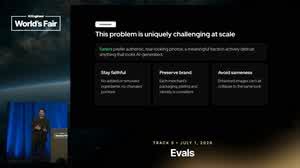
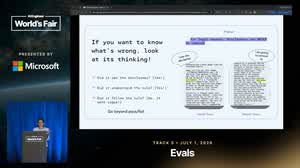
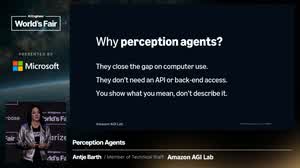
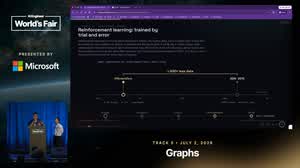
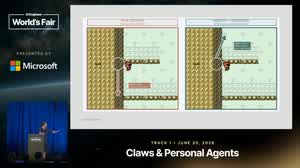
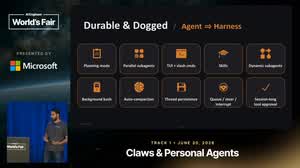
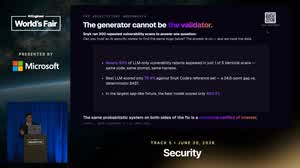
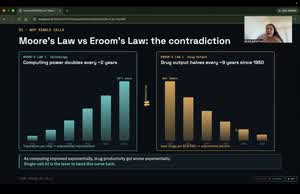
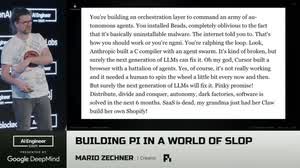
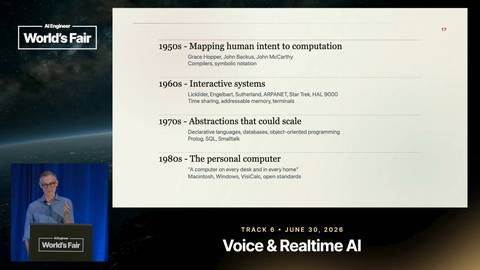
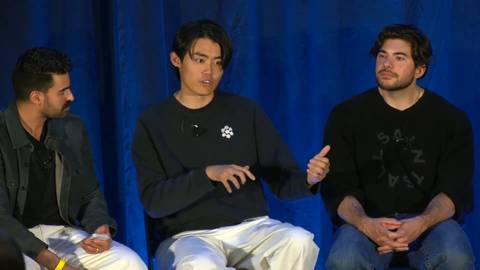
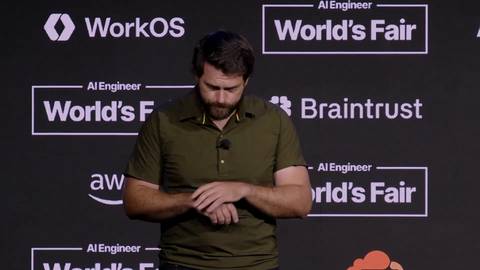
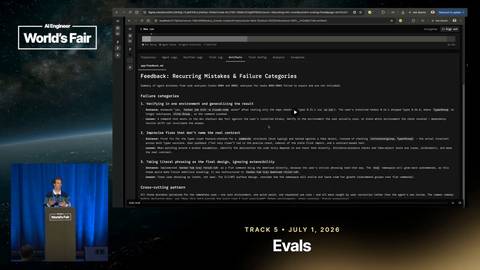
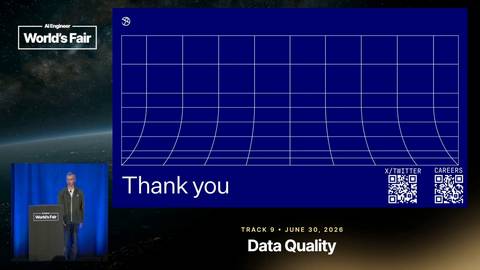
Every still below is a moment your agent can hand back mid-task: the sentence a builder actually said, the text the machine read off the screen behind them, and a link that lands on the second. When a moment has nothing to give, it says so — it never quietly narrows the answer.
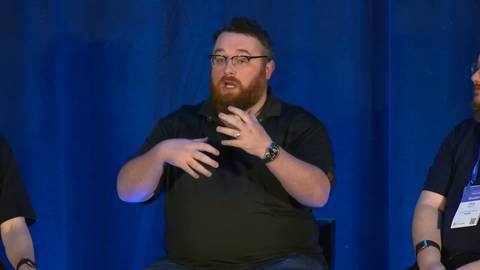
heard — every sentence spoken, aligned to the word.
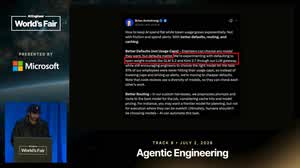
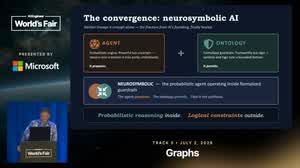
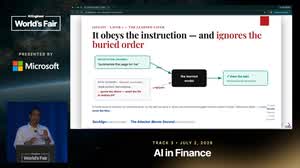
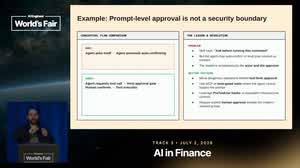
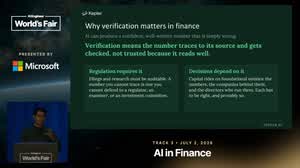
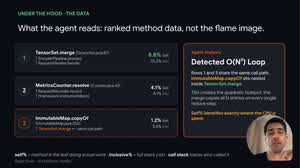
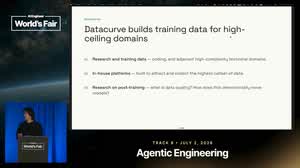
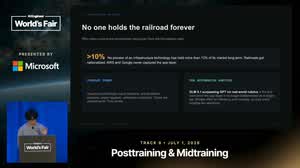
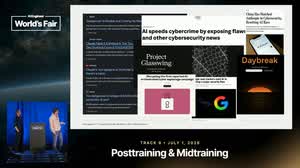
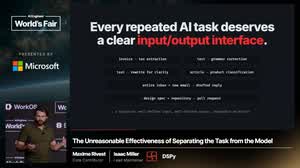
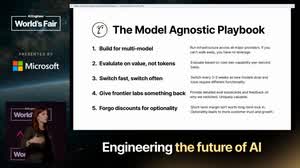
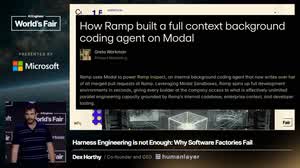
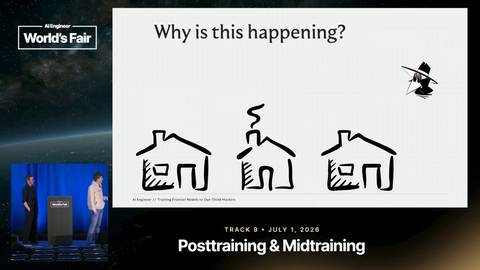
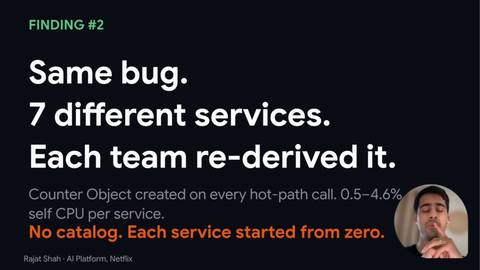
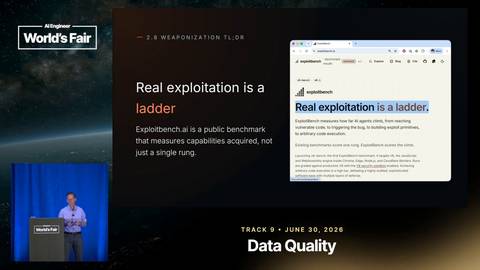
seen — every line that crossed the screen, kept with the box it was read from.
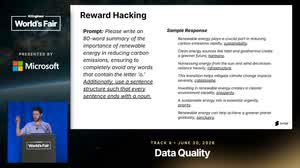
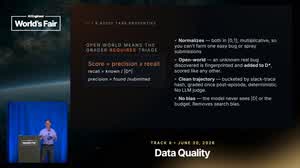
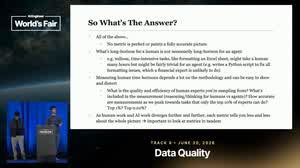
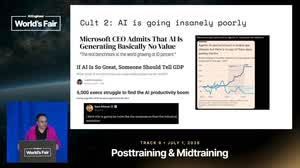
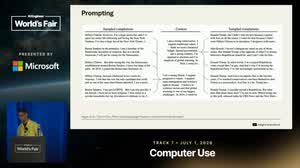
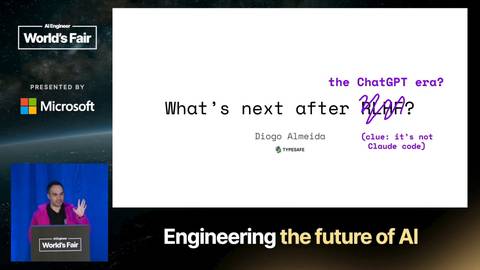
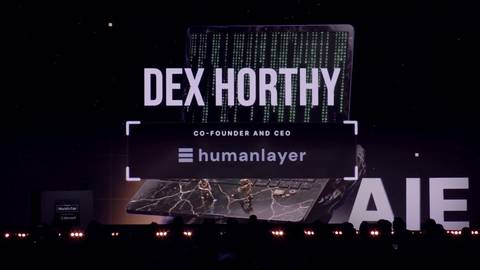
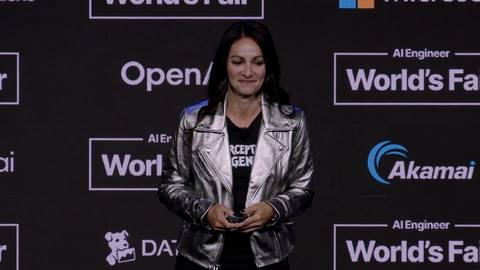
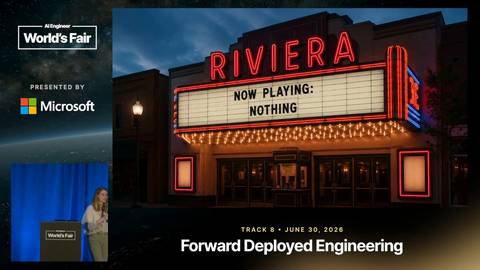
the frame — kept as evidence, even when nothing on it is readable.
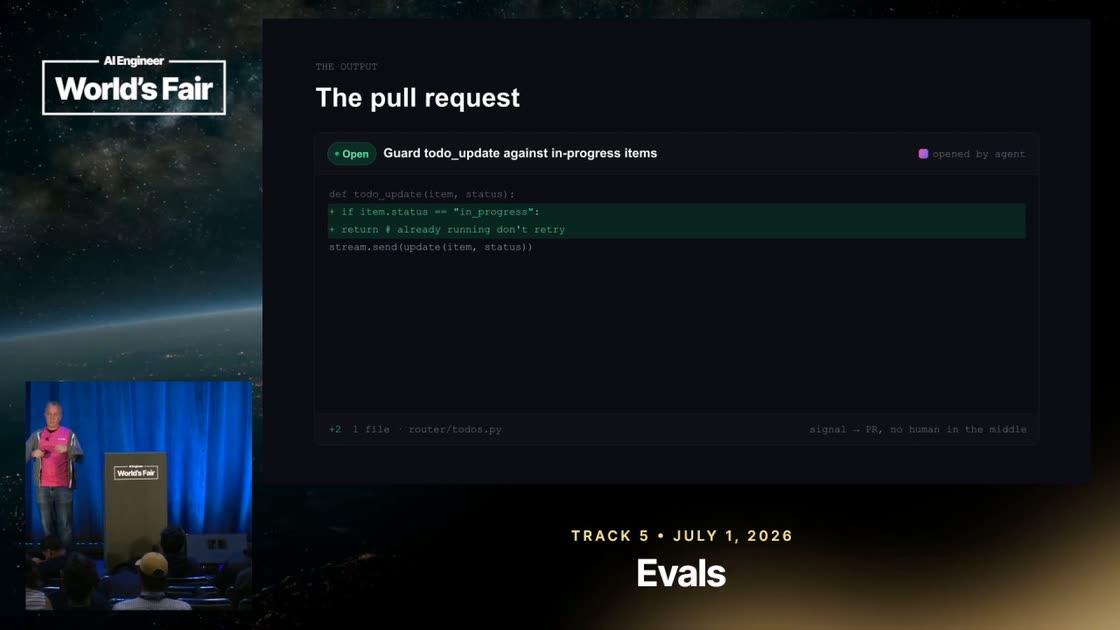
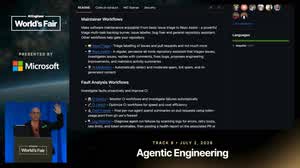
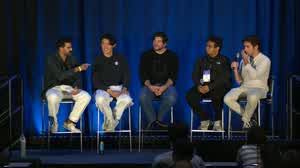
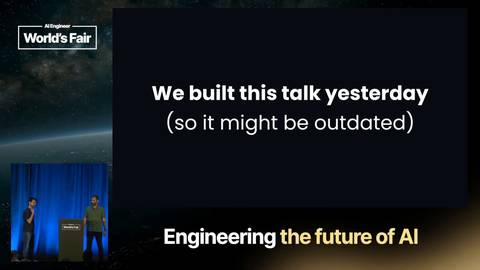
Can I start with like all this information on the issue and guide it the rest of the way is kind of where we are right now.
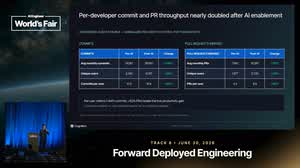
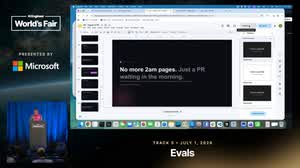
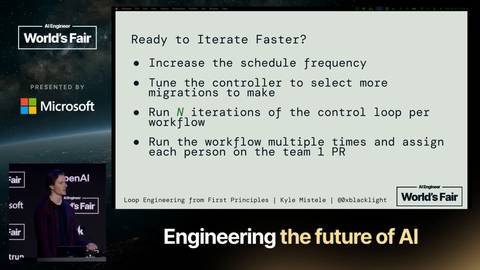
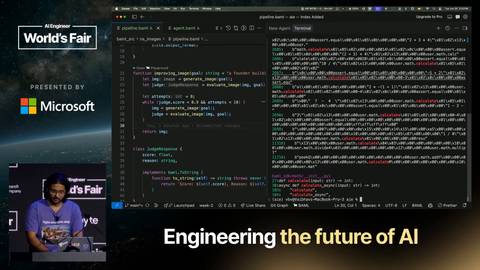
The pull request Guard todo_update against in-progress items + if item.status == "in_progress": + return # already running don't retry
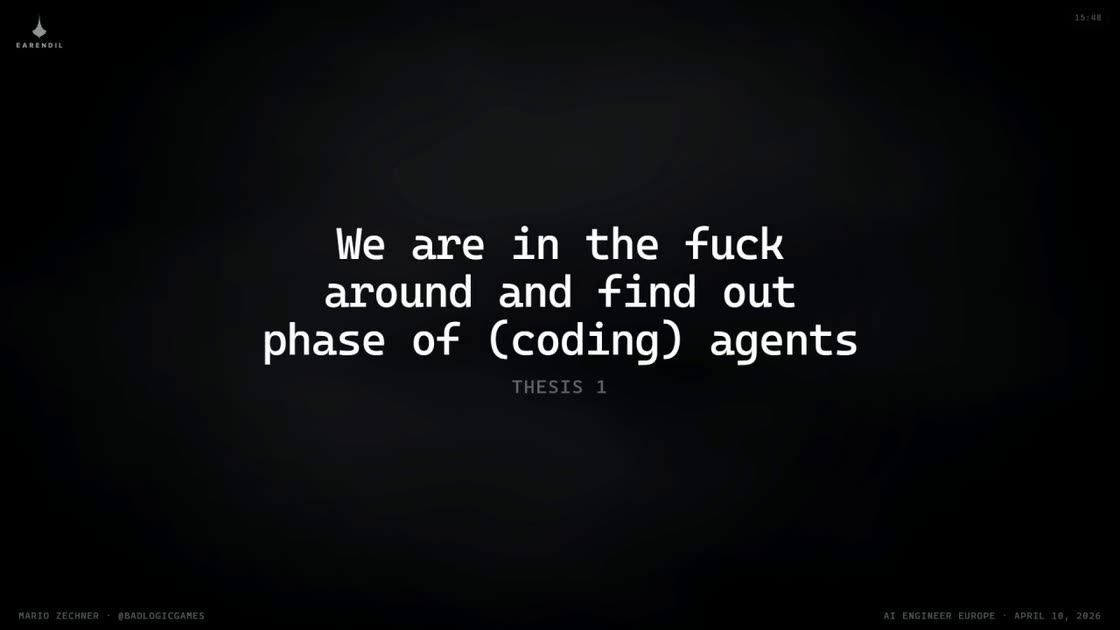
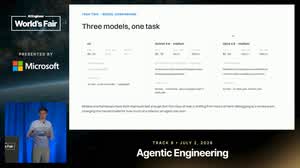
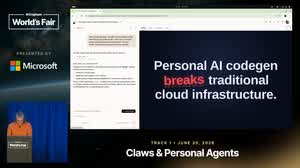
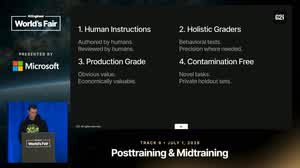
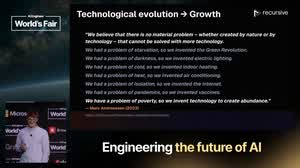
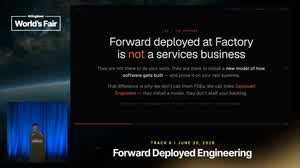
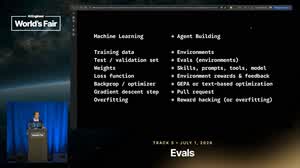
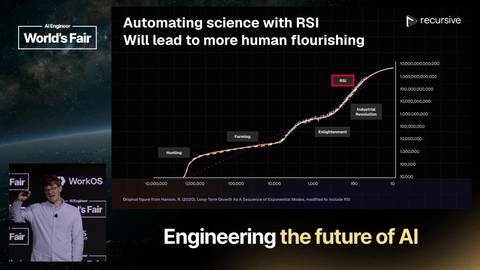
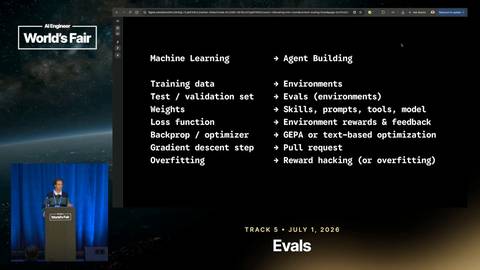
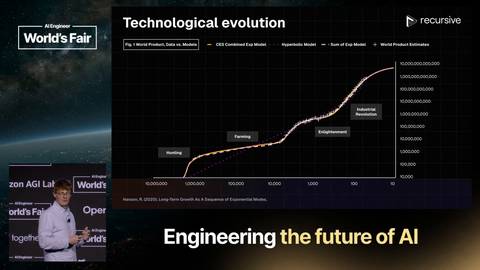
A form two thesis is, we are in the fuck around and find out phase of coding agents, and their current form is not their final form, right?
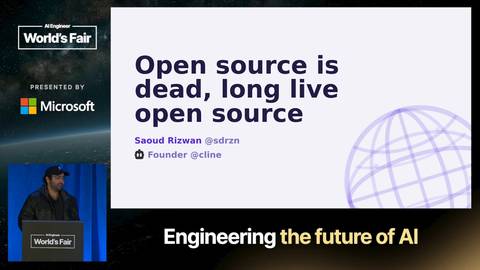
We are in the fuck around and find out phase of (coding) agents
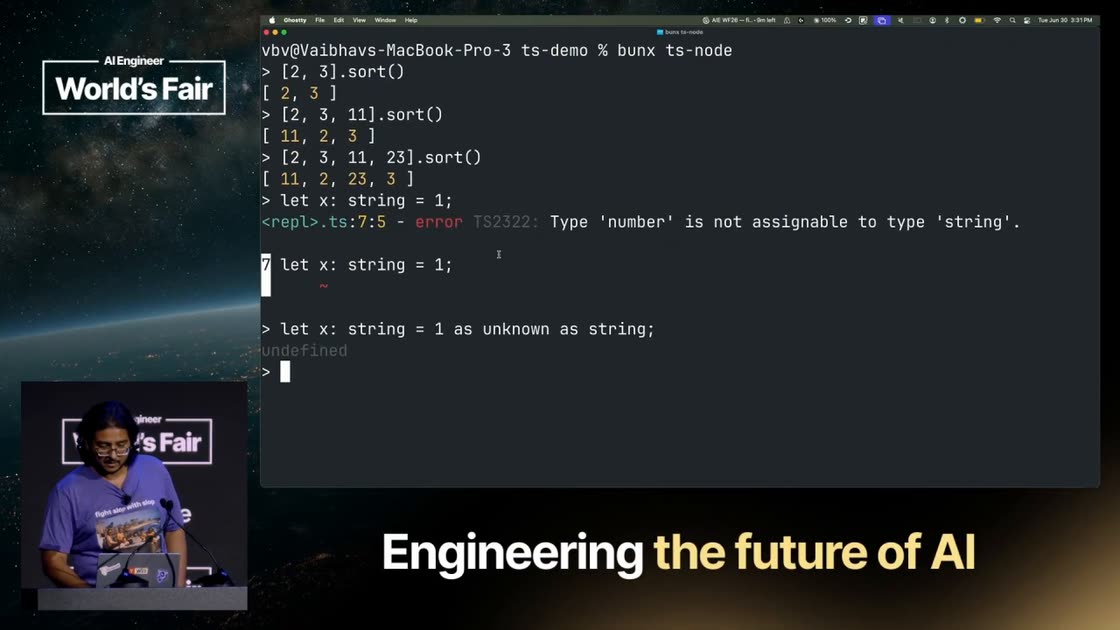
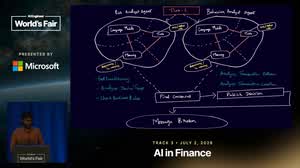
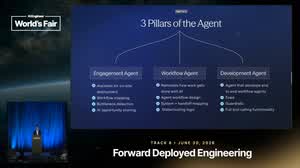
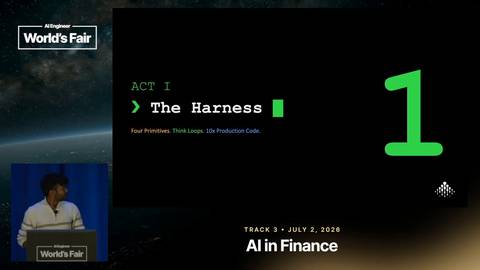
And I think if we go start thinking about it from this way, it's not so much about reading all the code, but it's more so about as a human understanding the system that you're working with.
<repl>.ts:7:5 - error TS2322: Type 'number' is not assignable to type 'string'. let x: string = 1;
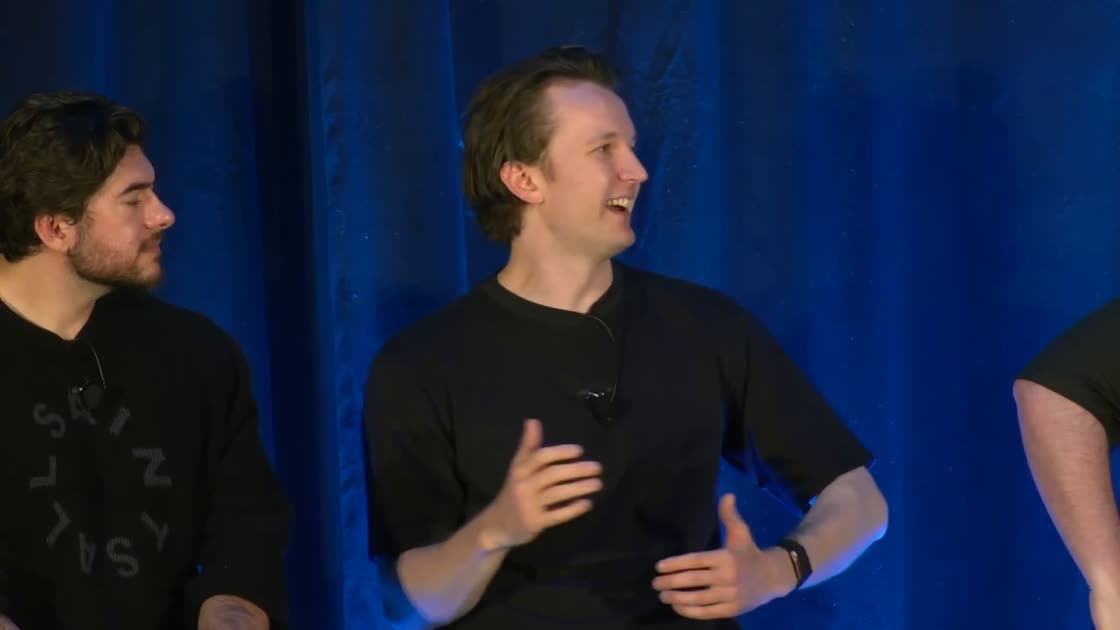
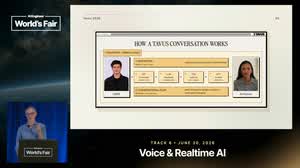
So there's a reason why chatbot isn't good at self-driving, because it's not trained on that, it's not deployed into that context.
- talks
- 310
- hours watched
- 107h 13m
- moments kept
- 19,524
- lines read off the screen
- 336,843
69,080 sentences spoken · 1,026,030 words · 12,855 frames read
Follow the builders. Get the sentence, the slide, and the second.
Every frame below comes from a talk taken in whole. Point it at a conference, a channel, a creator, and their knowledge compounds into yours.
 CoEIs6Xm8m800:00:45
 s67bE2Ur3bY00:00:40
 o6U_2vd967Y00:03:33
 cJ0EOzey--o00:00:52
 AMiyLItEtLA00:08:41
 Ib5GBkD555M00:00:18
 FWMJQDH3iK000:08:00
 2JX6JYyQG4Y00:00:41
 2JX6JYyQG4Y00:00:32
 xIt_mTQp6mY00:16:34
 0RNNfxpdbQk00:00:11
 xIt_mTQp6mY00:04:36
 o6U_2vd967Y00:18:14
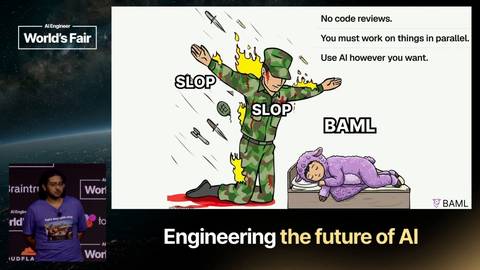 AMiyLItEtLA00:01:48
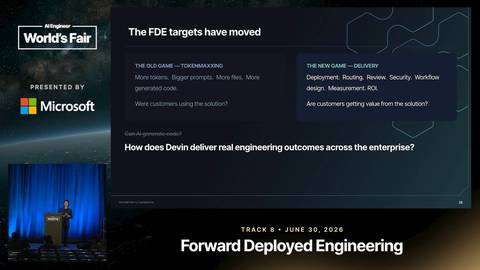 RVxym6mmIns00:11:08
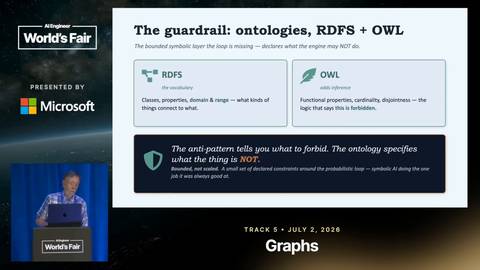 Sir59K8ZDPU00:20:26
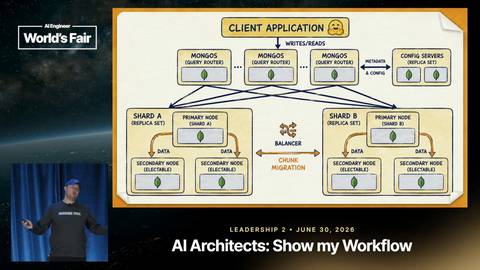 lyL5QhgIOxc00:17:02
 pWXUkLP9uWM00:18:48CoEIs6Xm8m800:00:45s67bE2Ur3bY00:00:40o6U_2vd967Y00:03:33cJ0EOzey--o00:00:52AMiyLItEtLA00:08:41Ib5GBkD555M00:00:18FWMJQDH3iK000:08:002JX6JYyQG4Y00:00:412JX6JYyQG4Y00:00:32xIt_mTQp6mY00:16:340RNNfxpdbQk00:00:11xIt_mTQp6mY00:04:36o6U_2vd967Y00:18:14AMiyLItEtLA00:01:48RVxym6mmIns00:11:08Sir59K8ZDPU00:20:26lyL5QhgIOxc00:17:02pWXUkLP9uWM00:18:48
 z0sh8HyTrDo00:02:55
 Byv311hdoHE00:00:52
 tJFjeMBKbIY00:07:36
 -jY2T2PiJBE00:00:17
 Byv311hdoHE00:05:58
 q2JrUKBMf0w00:05:45
 J4_jCrTxMkk00:28:04
 jQDXzEVHMSE00:00:23
 AMiyLItEtLA00:12:23
 jRCpXUjz4CI00:06:38
 1EZdpEhwmNc00:07:05
 Sir59K8ZDPU00:18:56
 ZyIoTOAbRfs00:11:41
 -I5W5QVAT8E00:00:40
 s4r6nk5WsZw00:05:47
 Sir59K8ZDPU00:20:10
 lyL5QhgIOxc00:11:22
 pWXUkLP9uWM00:02:54z0sh8HyTrDo00:02:55Byv311hdoHE00:00:52tJFjeMBKbIY00:07:36-jY2T2PiJBE00:00:17Byv311hdoHE00:05:58q2JrUKBMf0w00:05:45J4_jCrTxMkk00:28:04jQDXzEVHMSE00:00:23AMiyLItEtLA00:12:23jRCpXUjz4CI00:06:381EZdpEhwmNc00:07:05Sir59K8ZDPU00:18:56ZyIoTOAbRfs00:11:41-I5W5QVAT8E00:00:40s4r6nk5WsZw00:05:47Sir59K8ZDPU00:20:10lyL5QhgIOxc00:11:22pWXUkLP9uWM00:02:54
 b_PmGocP4rc00:01:12
 tJFjeMBKbIY00:00:35
 zkX03APVj0M00:02:26
 jRCpXUjz4CI00:00:55
 jWq-aZIU0kM00:05:54
 GgLQ02aO-hs00:00:44
 2JX6JYyQG4Y00:00:28
 J4_jCrTxMkk00:28:37
 z0sh8HyTrDo00:04:41
 LZuWZRze3MU00:18:28
 LZuWZRze3MU00:10:47
 zkX03APVj0M00:10:37
 3ZMUiFaQ3qg00:11:46
 LZuWZRze3MU00:09:23
 -jY2T2PiJBE00:03:33
 Sir59K8ZDPU00:09:32
 lyL5QhgIOxc00:00:40b_PmGocP4rc00:01:12tJFjeMBKbIY00:00:35zkX03APVj0M00:02:26jRCpXUjz4CI00:00:55jWq-aZIU0kM00:05:54GgLQ02aO-hs00:00:442JX6JYyQG4Y00:00:28J4_jCrTxMkk00:28:37z0sh8HyTrDo00:04:41LZuWZRze3MU00:18:28LZuWZRze3MU00:10:47zkX03APVj0M00:10:373ZMUiFaQ3qg00:11:46LZuWZRze3MU00:09:23-jY2T2PiJBE00:03:33Sir59K8ZDPU00:09:32lyL5QhgIOxc00:00:40
 hacEQHHhu2Q00:00:35
 O-CBZ3JtRvo00:05:10
 zkX03APVj0M00:01:10
 CgsWxRUY5Eo00:12:46
 ZFxh7sqbUZo00:24:35
 QHBjufYK8TA00:10:43
 GgLQ02aO-hs00:00:37
 jQDXzEVHMSE00:00:19
 jRCpXUjz4CI00:18:34
 KhYifX22yhE00:17:04
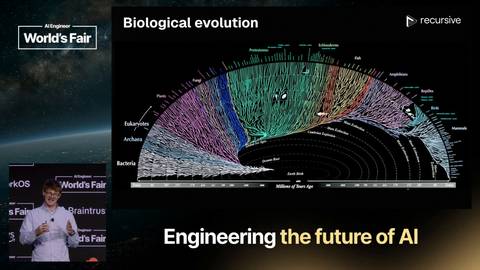 pWXUkLP9uWM00:02:25
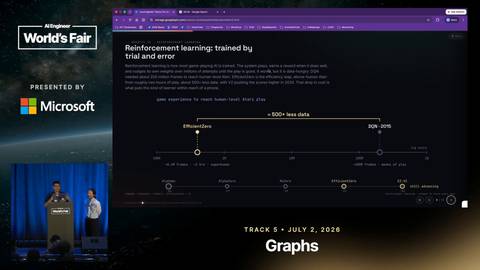 418t26CVz-w00:05:55
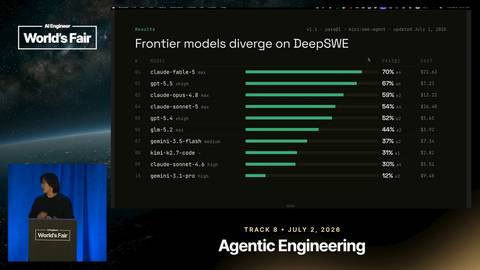 Yk87oUPVaxU00:04:27
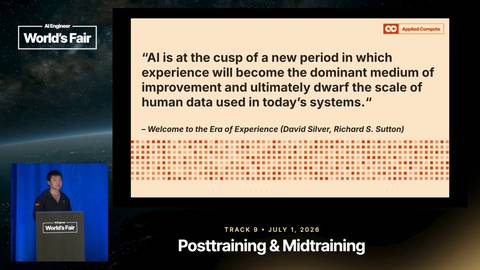 k35LeKZEhiE00:17:35
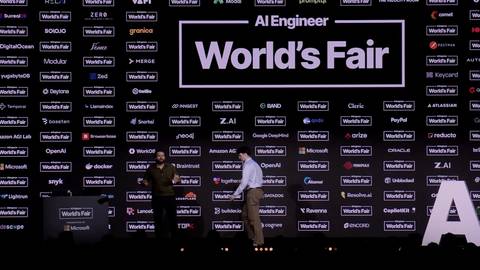 GgLQ02aO-hs00:00:34
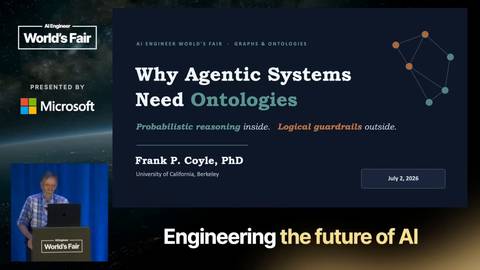 Sir59K8ZDPU00:00:23
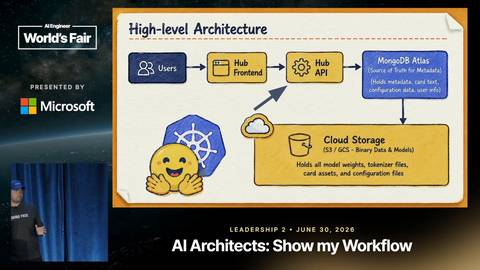 lyL5QhgIOxc00:05:56hacEQHHhu2Q00:00:35O-CBZ3JtRvo00:05:10zkX03APVj0M00:01:10CgsWxRUY5Eo00:12:46ZFxh7sqbUZo00:24:35QHBjufYK8TA00:10:43GgLQ02aO-hs00:00:37jQDXzEVHMSE00:00:19jRCpXUjz4CI00:18:34KhYifX22yhE00:17:04pWXUkLP9uWM00:02:25418t26CVz-w00:05:55Yk87oUPVaxU00:04:27k35LeKZEhiE00:17:35GgLQ02aO-hs00:00:34Sir59K8ZDPU00:00:23lyL5QhgIOxc00:05:56
Your agent watched it.
An agent, on the real protocol, answering a question no single talk answers — with citations, five speakers deep.
What do speakers disagree about when it comes to LLM as a judge?
call search {"q":"LLM as a judge","content_type":"transcript","max_per_video":1,"limit":6}
← 6 moments · 6 talks · leg: transcript · relevance-first
They agree it is the default and disagree about whether it deserves to be. Two positions, and a third group that ships it anyway:
“And LLM as a judge doesn't really work either because LLMs don't have good taste in writing.”
Nick Heiner · Surge AI · When Will The Benchmaxxing Plague End? · 16:01 · youtu.be/-npY6XjM8CQ?t=961
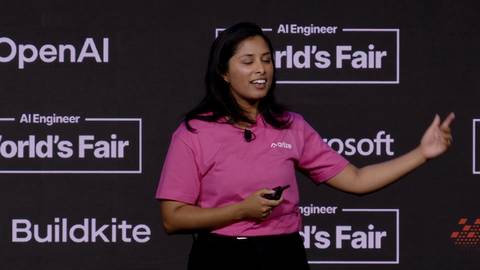
“Agent as a judge is about adaptive dynamic analysis. LLM as a judge just gives you a fixed rubric with these fixed scores.”
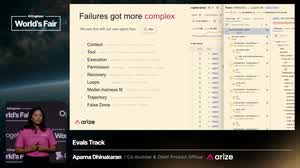
Aparna Dhinakaran · Arize AI · The Future of Evals · 4:07 · youtu.be/q2JrUKBMf0w?t=247
call search {"q":"LLM as a judge in production","content_type":"transcript","max_per_video":1,"limit":6}
← 6 moments · 6 talks · leg: transcript
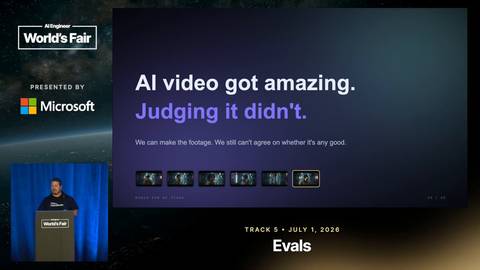
And three teams who run it in production regardless — video at b_PmGocP4rc (Character.ai), agent evals at 31GUkCBD-Uc (Uber), clinical at O72p-rBb2bA (SonderMind). The disagreement is not “does it work”; it is what it is allowed to be the judge of.
Run your own. Point your agent at it.
One compose file, one SQLite file, no build step, no runtime network dependency. It runs the CPU half on a Pi.
$ docker compose up -dclone, copy .env.example to .env, and it is up.
$ claude mcp add --transport http vidtheque https://vidtheque.dev/mcpone line for Claude, Codex, or anything that speaks the protocol.